Maple Syrup Producers Association of Connecticut
  • Home
  • About
  • Maple Weekend
  • Maple Sugaring Info
    • How Do You Make Maple Syrup?
    • Food Safety
    • Maple 101 Course - Beginners Course
    • Glossary of Terms
    • Maple Syrup Producers Manual
    • Maple Syrup Judging Contest
  • Membership & Joining
  • Where to buy CT Maple Products - List By Town
  • Connecticut Sugar Houses Map
  • Events & Meetings
    • MSPAC Annual Meeting - november
    • Plymouth Maple Festival
    • MSPAC Pre-Season Meeting - January
    • Bright Acres Farm Open House
    • Hebron Maple Festival
    • Flanders Nature Center
    • Stamford Museum's Maple Sugar Festival
    • Ag Day at Capitol in Hartford
    • Sweet WInd Farm Maple Festival
    • Eastern CT Maple Festival
    • Ambler Farm
  • Cookbook
  • Resources/Classifieds
    • Maple Affiliates
    • Regulations Regarding Maple
    • Research
    • Pests of Maple
  • Contact
  • Blog
  • Home
  • About
  • Maple Weekend
  • Maple Sugaring Info
    • How Do You Make Maple Syrup?
    • Food Safety
    • Maple 101 Course - Beginners Course
    • Glossary of Terms
    • Maple Syrup Producers Manual
    • Maple Syrup Judging Contest
  • Membership & Joining
  • Where to buy CT Maple Products - List By Town
  • Connecticut Sugar Houses Map
  • Events & Meetings
    • MSPAC Annual Meeting - november
    • Plymouth Maple Festival
    • MSPAC Pre-Season Meeting - January
    • Bright Acres Farm Open House
    • Hebron Maple Festival
    • Flanders Nature Center
    • Stamford Museum's Maple Sugar Festival
    • Ag Day at Capitol in Hartford
    • Sweet WInd Farm Maple Festival
    • Eastern CT Maple Festival
    • Ambler Farm
  • Cookbook
  • Resources/Classifieds
    • Maple Affiliates
    • Regulations Regarding Maple
    • Research
    • Pests of Maple
  • Contact
  • Blog

​Maple Syrup Producers Association of CT

The New World's Natural Sweeteners

5/16/2012

 
Maple syrup and maple sugar (dehydrated maple syrup) were the New World's first natural sweeteners. Long before European settlers arrived with the European honeybee to make honey, American Indians dwelling in the Northeast were setting up sugaring camps among the plentiful sugar maple trees each spring. These camps produced an indigenous nutrient-rich sweetener high in minerals.

Indian folk tales present several different versions of how it all began. One legend tells the story of an Iroquois chief who threw his tomahawk into a maple tree one early March eve. When he retrieved it the following morning to go hunting, he noticed sap oozing from the cut in the tree. He collected some in a container and his wife added some of the syrup to the meat she was cooking for dinner. As the sap boiled down, a wonderful sweet maple flavor remained.

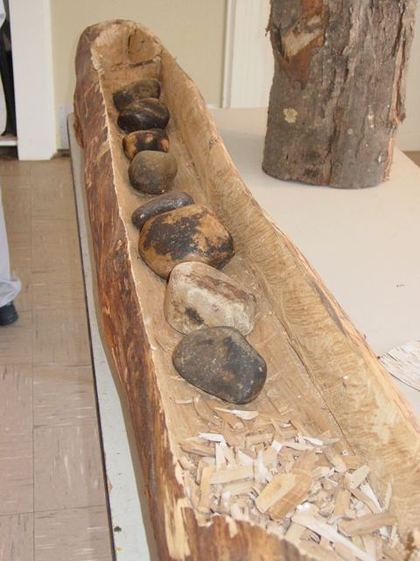
The Indian process of sugar making, crude by modern-day standards, employed hollowed out logs, heated rocks for evaporating the sap, and handmade birch bark containers for collecting the sap and storing the maple sugar. Most of the tribes boiled and crystallized the sap they collected into a granulated maple sugar—bypassing the syrup stage as syrup was harder to store—ending up with a more transportable sweetener.
Picture

Comments are closed.
Powered by Create your own unique website with customizable templates.
  • Home
  • About
  • Maple Weekend
  • Maple Sugaring Info
    • How Do You Make Maple Syrup?
    • Food Safety
    • Maple 101 Course - Beginners Course
    • Glossary of Terms
    • Maple Syrup Producers Manual
    • Maple Syrup Judging Contest
  • Membership & Joining
  • Where to buy CT Maple Products - List By Town
  • Connecticut Sugar Houses Map
  • Events & Meetings
    • MSPAC Annual Meeting - november
    • Plymouth Maple Festival
    • MSPAC Pre-Season Meeting - January
    • Bright Acres Farm Open House
    • Hebron Maple Festival
    • Flanders Nature Center
    • Stamford Museum's Maple Sugar Festival
    • Ag Day at Capitol in Hartford
    • Sweet WInd Farm Maple Festival
    • Eastern CT Maple Festival
    • Ambler Farm
  • Cookbook
  • Resources/Classifieds
    • Maple Affiliates
    • Regulations Regarding Maple
    • Research
    • Pests of Maple
  • Contact
  • Blog